







Search Results for: coffee ground art
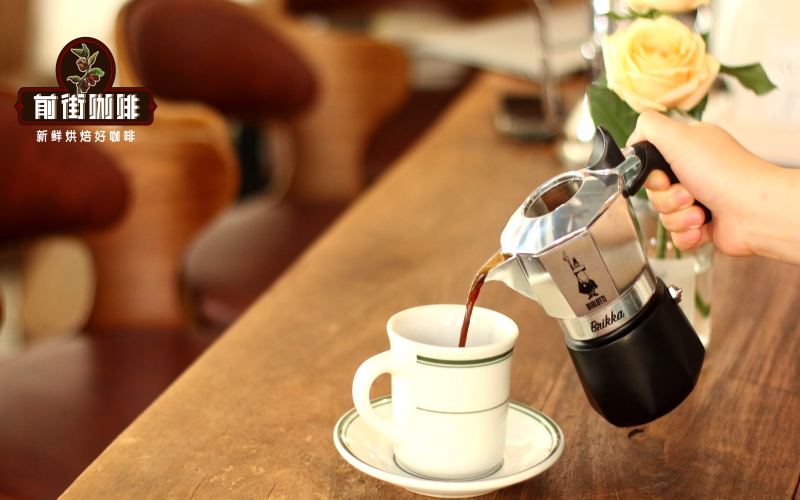
BRIKKA Moka Pot Crema Extraction Secrets and Latte Art in Practice: A Detailed Comparison with Espresso Operations
Can a moka pot produce crema? Can the coffee it makes pour a beautiful latte pattern? This article starts with the unique pressure valve design of the BRIKKA moka pot, breaks down in detail the complete steps for extracting coffee liquid with a moka pot, and compares latte art made with espresso extracted by a moka pot against that from an espresso machine. Through hands-on testing, it can be seen that because a moka pot has limited pressure, its richness and persistence of oils are not as good as an espresso machine, and the clarity and contrast of latte art patterns are also relatively weaker. But if you just want to use a moka pot to make a cup of milk coffee with a pattern and good taste, it is still a choice worth trying. This article uses Front Street Coffee Classic Espresso Blend coffee beans for testing, suitable for coffee enthusiasts as a reference. [more…]
Can a BRIKKA moka pot brew coffee that can be used for latte art? A practical analysis compared with espresso
BIALETTI's BRIKKA moka pot, with its unique pressure valve design, claims to be the only moka pot capable of producing crema. Many coffee enthusiasts wonder: can the coffee it brews actually be used for latte art? Compared with espresso extracted by an espresso machine, where does the latte art effect fall short? Front Street Coffee used the same classic espresso blend beans, extracted them separately with a moka pot and an espresso machine, and then performed latte art comparisons using the same milk foam and technique. This article fully records the six steps of brewing coffee with a moka pot, and analyzes the causes of the latte art differences between the two from the perspectives of pressure, oils, and viscosity, helping you judge whether a moka pot is worth using as a daily milk coffee solution. [more…]
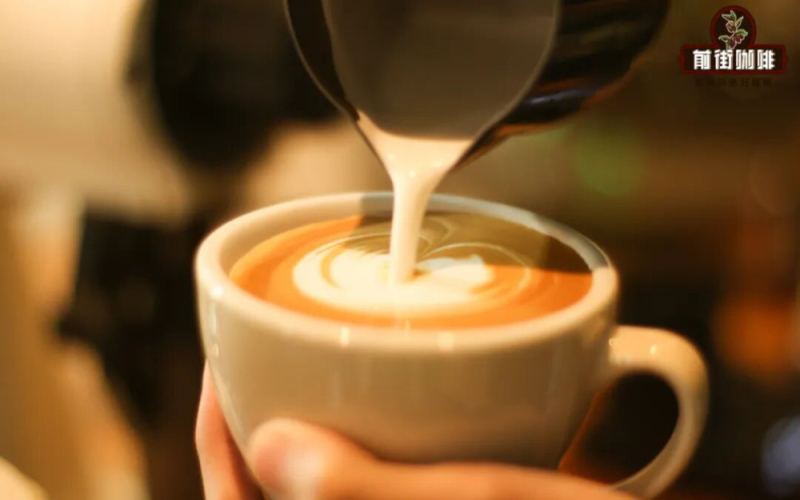
Zero experience? You can still practice latte art: cocoa powder dusting, water sprinkling, and reuse methods—the complete low-cost guide to practicing latte art.
Want to practice latte art well but hate watching espresso and milk go down the drain with every cup? In fact, many coffee enthusiasts have long since figured out a money-saving, no-waste way to practice. In this article, Front Street Coffee will share several low-cost latte art practice solutions: from the dark soy sauce plus dish soap combo that even complete beginners can handle, to the reusable espresso-and-milk cycling method, and we'll also answer how to froth milk with a French press when you don't have an espresso machine. We'll also recommend espresso beans suitable for latte art, helping beginners build up their hands' muscle memory for milk foam step by step while keeping costs under control, so that every practice session gets closer to coffee shop quality. [more…]
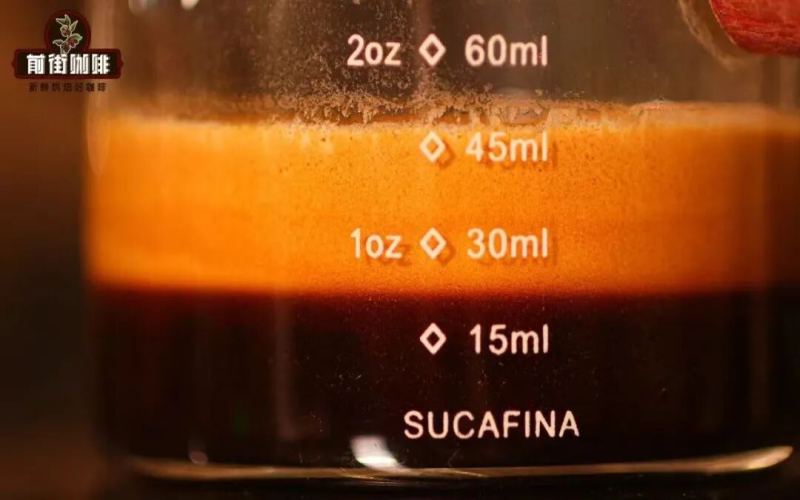
Coffee Latte Art | Can You Make Latte Art with Americano Black Coffee? How to Make Coffee Latte Art with Hot Americano? What Does Americano Coffee with Latte Art Taste Like?
Customer: "Boss, I'd like a coffee with some nice latte art!" Front Street: Okay, would you like a latte, a flat white, or a cappuccino? Customer: "An americano!" Front Street: ... Latte art, to be precise, should be called "Latte Art," which translates to "latte art" (milk art). [more…]
Learning Latte Art from Zero: A Low-Cost Approach Using Dark Soy Sauce, Dish Soap, and Recycled Espresso-Foam Practice
The art of latte art, at its core, relies on the repeated muscle memory of the hands for milk flow and foam. But if every practice session requires freshly pulled espresso and freshly steamed milk, the cost is high, and it's truly a waste to pour out what can't be finished. So many coffee enthusiasts have figured out some money-saving yet practical practice routines to minimize waste. In this article, Front Street Coffee will explain how coffee shops practice latte art in their daily operations: we'll introduce the choice of espresso beans suitable for latte art, share how to froth milk with a French press when there's no espresso machine, and break down in detail two low-cost practice methods—using dark soy sauce with dish soap, and recycling espresso with milk—to help you build up your latte art skills step by step at home. [more…]
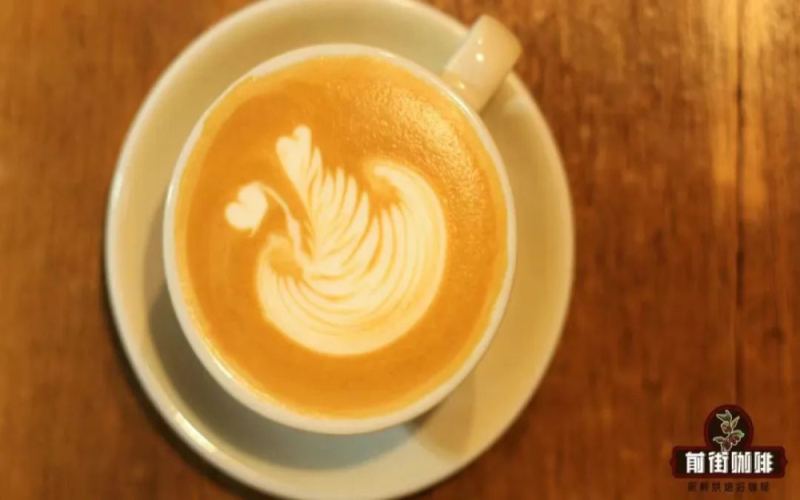
Can Americano also be made with latte art patterns? A detailed explanation of the principles and steps of milk-free latte art
Americano has always presented itself as a black coffee, with a recipe consisting only of espresso and water—seemingly having no connection to latte art. But in fact, as long as you grasp the core principles and make minor adjustments, Americano can also display clear latte art patterns. This article will start from the basic principles of latte art, explain why a milk-free Americano can also be frothed, and break down the operational process in detail—including the ratio of water to ice cubes, the espresso extraction method, the key points of steaming and frothing, and the details to note when pouring the design. Front Street Coffee will also demonstrate through actual operation, guiding you step by step to complete a cup of Americano latte art with dense foam, so that enthusiasts who do not like milk coffee can also enjoy the fun of latte art. [more…]
A Beginner's Guide to Coffee Latte Art: A Complete Guide to Choosing Equipment and Tools from Espresso Machines to Latte Art Pitchers
Wanting to learn latte art, passion alone is not enough—choosing the right equipment and tools is the first step. This article is aimed at beginner baristas and systematically sorts out the various basic equipment needed to get started with latte art: from the differences and selection points of the four boiler systems in professional Italian espresso machines (single boiler, heat exchanger, dual boiler, multi-boiler), to the classification of steam wands and steam tip types, then to grinder burr types, tamper shape matching, latte art pitcher spout shapes and groove designs, as well as the logic for choosing materials such as espresso beans and milk. It also analyzes the influence of cup shape on latte art results and gives the key parameters for adjusting machine settings, helping beginners avoid detours and laying a solid hardware foundation for subsequent latte art practice. [more…]
Why Is Latte-Making a Key Part of Barista Assessments? A Full Breakdown of Milk Foam Quality and Latte Art Techniques
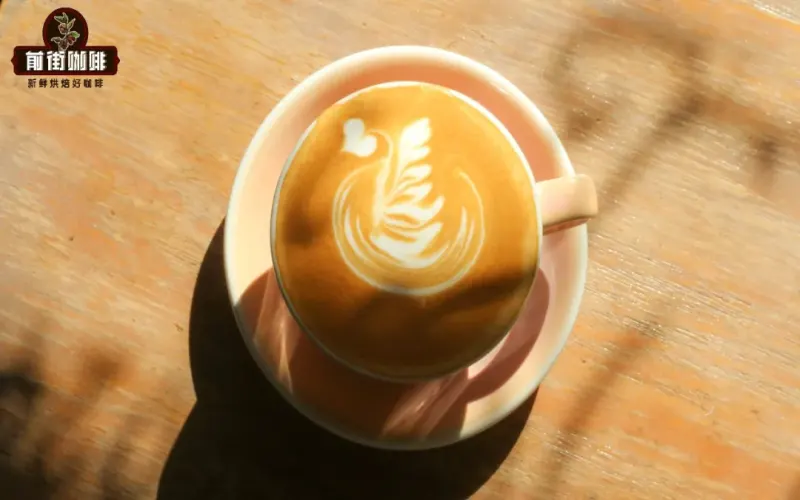
In the skill assessment of baristas, making a hot latte is often regarded as a key evaluation component. From grinding and extraction to milk frothing and latte art, every step reflects whether a barista's basic skills are solid. A high-quality latte not only requires standardized and smooth operation, but also fine, dense milk foam with moderate thickness and good fluidity, so that it can support delicate latte art patterns. In addition, controlling the milk temperature between 60°C and 65°C can bring out the sweetness of lactose, while the quality of integration directly affects the taste and the cleanliness of the latte art background. Front Street Coffee often shares that by observing the overall performance of a latte, a barista's core abilities can be comprehensively evaluated, which is also an assessment method that other coffee drinks cannot easily replace. [more…]
A Complete Guide to Espresso: From Boiler Systems to Milk Frothing and Latte Art — Professional Fundamentals
Want to systematically master the underlying logic of espresso? This article provides a complete overview of the core knowledge system of espresso, from equipment principles to practical details. It first deeply analyzes the differences between four types of boiler heating systems and their impact on extraction stability, then explains one by one the selection of steam wands, the structure of grinder burrs, the matching principles of tampers, and key points for choosing latte art pitchers. In the materials section, it focuses on comparing the roasting differences between Northern and Southern Italian-style coffee beans and the logic for selecting suitable milk. Finally, it focuses on the five major variables of extraction and the six factors of milk frothing, and explains in detail the techniques for integrating coffee and milk foam. The full text balances theoretical depth with operational guidance, making it suitable for coffee enthusiasts who want to solidify their foundations to read carefully. [more…]
A Detailed Explanation of the Principles and Methods of Americano Latte Art: Using Foamed Coffee Liquid Instead of Milk, Including a Practical Guide with Front Street Classic Blend
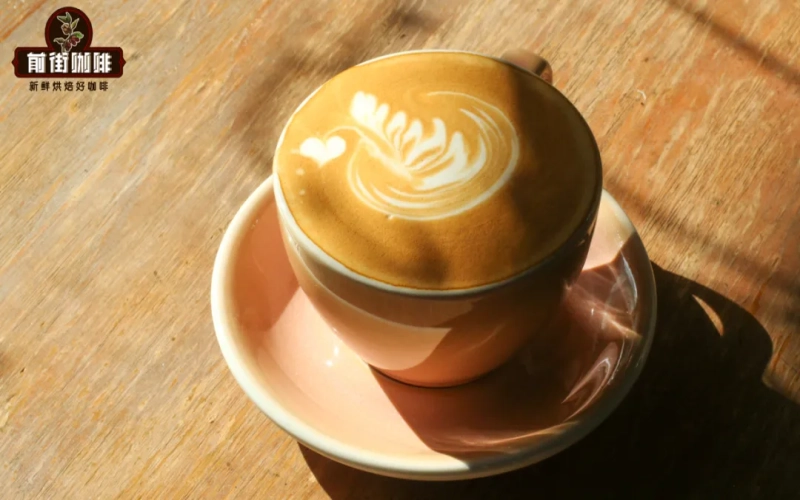
Latte art has always been regarded as the exclusive domain of lattes, but Americano can actually achieve beautiful patterns too. This article starts from the basic principles of latte art—the proteins in milk wrap around air to form a low-density foam, which floats on the surface of espresso crema to create patterns—and then leads into the feasibility of using the coffee liquid itself to foam instead of milk. We will share in detail how to froth espresso by adding ice water to increase the liquid volume and lower the temperature, and provide a complete hands-on demonstration using Front Street Classic Blend. Finally, we compare the differences in flavor, strength, and mouthfeel between latte-art Americano and regular hot Americano, offering coffee enthusiasts a completely new way to experience Americano. [more…]
Turning Coffee Grounds into Three-Dimensional Artworks: Filipino Creator Liva Blando's Coffee Grounds Art Practice
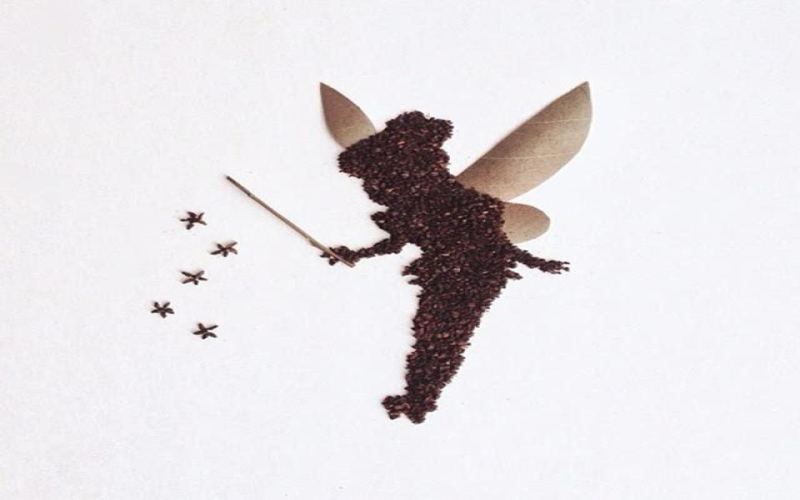
Every day after brewing coffee, a large amount of coffee grounds is often thrown away directly, but Philippine nursing student Liva Blanda discovered the possibility of creation from them. Inspired by her father's coffee-drinking habit, she turned coffee grounds into wonderful and lovely paintings, some of which even have 3D effects. Her creation requires not only creativity but also carefulness and patience: first sketch with a pencil, then use a small bamboo stick to move the coffee ground particles into the corresponding positions, and finally add real objects such as twigs, leaves, or petals to complete the key step. To extend the preservation time, Liva also uses glue to fix them, which increases the difficulty but also makes the works more stable. Her practice reminds us that as long as we carefully observe life and consult our elders, seemingly discarded items can also be reasonably used, adding enjoyment to daily life. [more…]
Latte Coffee Making Tutorial: Espresso Extraction, Milk Frothing and Latte Art Techniques, and Coffee Bean Selection Tips
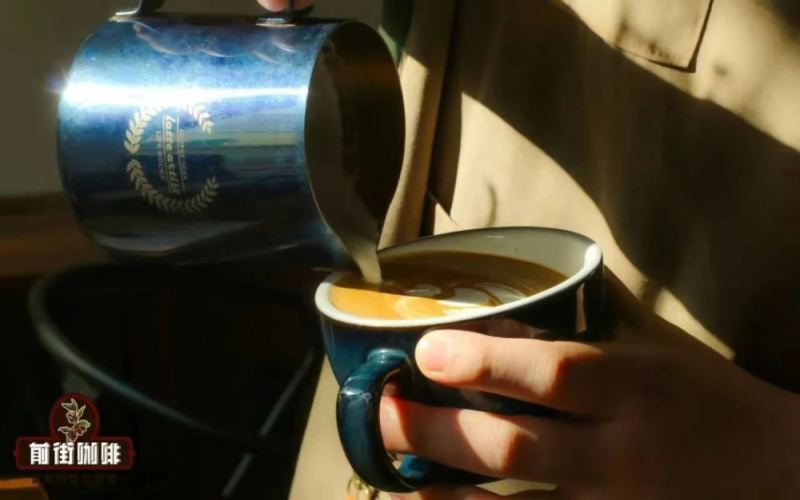
Latte coffee may seem simple, but in reality, every step—from bean selection, extraction, to milk frothing and latte art—hides its own intricacies. While the ratio of milk to coffee, the beans used, and parameters vary across cafes, the classic approach typically involves a generous amount of milk blended with espresso. This article uses Front Street Coffee as an example to systematically explain the entire latte-making process: how to choose Italian-style coffee beans based on flavor preferences, adjust grind size, dose and distribute the grounds and tamp, as well as the principles and techniques of steaming milk, and finally, latte art practice steps for beginners. Whether you're preparing for a barista interview or looking to improve your output at home, you'll find practical references here. [more…]
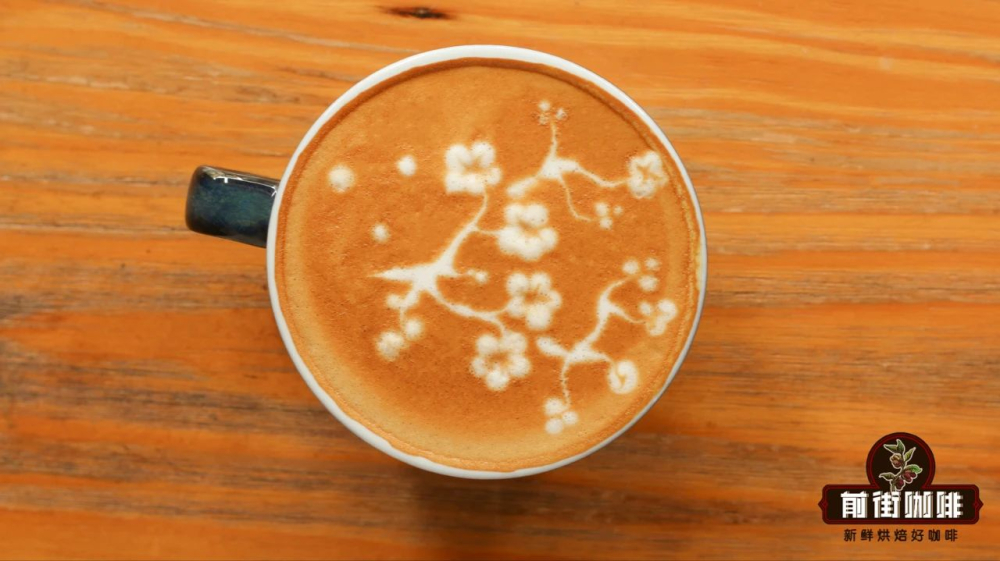
Latte Art Illustrated Guide | How Can Coffee Beginners Learn Latte Art? What Should Be Noted in Latte Art? Instructional Guide on Swan, Tulip, and Rosetta Latte Art
Latte art mainly takes three forms: free pouring, etching, and stenciling. Stenciling uses a stencil to dust cocoa powder, chocolate powder, or cinnamon powder onto the coffee to create a pattern. Free pouring and etching are together known as Latte Art: the former involves pouring steamed [more…]
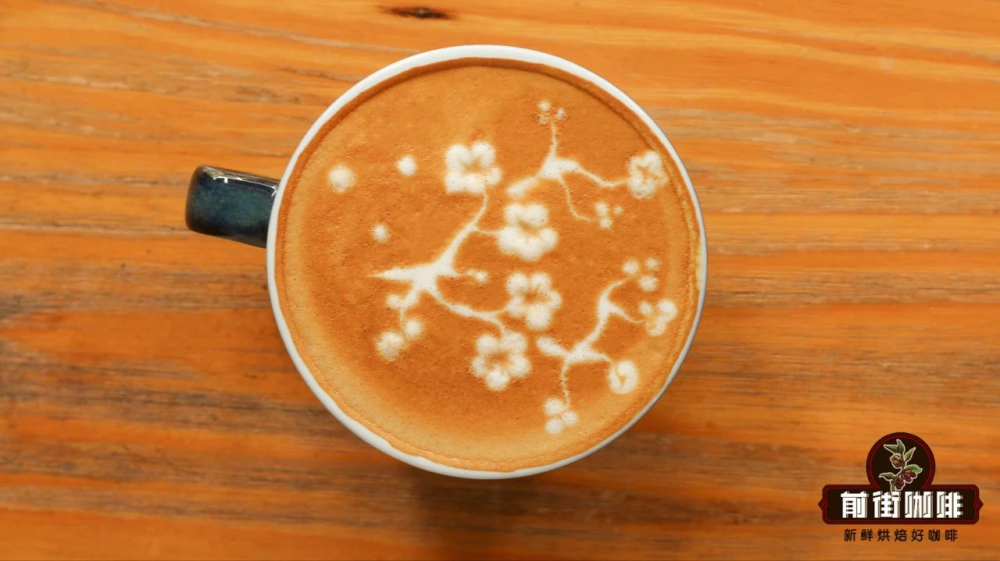
Latte Art | What is latte art? How do beginners make latte art? What are the techniques for making a tulip pattern?
Latte art mainly includes three forms: free pouring, etching, and stenciling. Stenciling uses a stencil to sprinkle cocoa powder, chocolate powder, or cinnamon powder onto the coffee to create a pattern. Free pouring and etching are collectively known as Latte Art; the former involves pouring hot [more…]
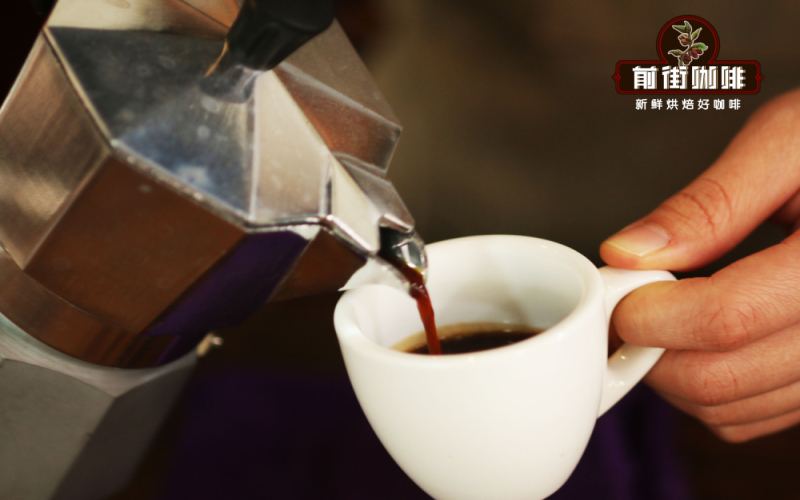
Bialetti Brikka Moka Pot Operation Guide: Espresso Extraction Points and Latte Art Practice
Many coffee enthusiasts are drawn in by the convenience and ambiance of the moka pot in outdoor camping videos, only to find after buying one that consistent extraction is hard to achieve—either too weak or harshly bitter, with grind size and heating time both difficult to control. This article walks through the moka pot's structure and principles, coffee grinding and loading methods, heating rhythm, and how to use the espresso it makes for latte art, laying out the key operational points step by step. It also draws on Front Street Coffee's bean selection approach to explain how the flavor stays clear and the mouthfeel rich and balanced even after milk is added. [more…]
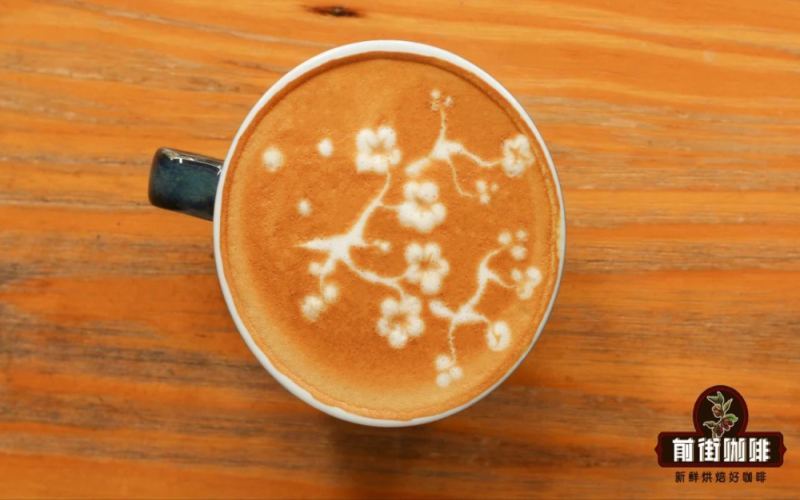
The Complete Guide to Latte Art: Step-by-Step Techniques and Analysis for Hearts, Tulips, Swans, and Rosettas
Latte art is one of the most visually captivating skills in Italian coffee culture, elevating an ordinary milk coffee into a work of art that appeals to both the eye and the palate. This article begins with the three major categories of fancy coffee art, systematically outlines the five learning stages of milk latte art, and breaks down in detail the practical steps for two basic patterns: the tulip and the leaf. Whether you are a coffee enthusiast just starting out or a barista hoping to refine your technique, you will find clear practice directions in this step-by-step illustrated guide. The article also specifically introduces how Front Street Coffee's specialty blend performs in latte art, helping you master the essentials of latte art from bean selection to technique. [more…]
Latte Art Guide: From Pouring Point and Swirling Control to Step-by-Step Tutorials for Tulip and Leaf Patterns
Latte art encompasses three categories: free pouring, etching, and printing. Of these, free pouring and etching are together known as milk latte art—free pouring creates the pattern directly through wrist control while pouring hot milk, whereas etching uses chocolate sauce and tools such as toothpicks and bar spoons to refine the details. Free pouring is the foundation, and etching is the辅助 (auxiliary); the former tests technique, the latter tests creativity. To master milk latte art, one typically goes through five stages: choosing the right milk pitcher and coffee cup, practicing flow control, becoming familiar with basic patterns, hands-on practice, and then further refinement and improvement. This article will use two basic patterns, the tulip and the leaf, as examples to break down key techniques such as the position of the pour point, the flow rate, and the rhythm of the swing, and explain how to use 【Front Street Specialty Blend】 to extract espresso suitable for latte art. [more…]

Should Cappuccino Have Latte Art? A Complete Analysis from Historical Origins to Preparation Details
Cappuccino is one of the most common milk coffees on café menus, yet its definition has always been evolving. From the "Kapuziner" of 18th-century Vienna to today's modern version topped with latte art, what changes has this classic drink undergone? Does an authentic cappuccino really need latte art? This article traces the origins of cappuccino, sorts out its evolution from coarse milk foam to dense microfoam, analyzes the origins of the traditional 1:1:1 ratio and the "golden ring," and explores how latte art has made cappuccino's milk foam thinner and thinner. At the same time, we will also consider: once a cup of coffee departs from these core features—a small cup size, filled to 11 parts, and thick milk foam—can it still be called a cappuccino? [more…]
A Detailed Guide to Latte Art and Standard Practices: A Complete Workflow from Bean Selection and Extraction to Milk Frothing and Pouring Designs
Latte is one of the most familiar espresso drinks among coffee enthusiasts in China, and the combination of espresso and milk gives it a smooth, sweet, and easy-to-drink taste. But to make a qualified latte, every step matters, from bean selection, grind adjustment, dosing, distribution, and tamping, to steaming milk and pouring latte art. This article uses the latte commonly seen in barista interviews as an entry point to systematically sort out the extraction parameters of Front Street Coffee's classic espresso blend, milk steaming temperature and thickness, and cup selection, and explains in detail the importance of even dosing, methods for checking distribution, tamping direction, as well as steam wand angle and the push-heart technique for beginner latte art, helping readers master the entire process and key points for consistently producing a standard latte. [more…]
The Milk Foam Thickness Standard for Flat White and the Latte Art Controversy: The Crafting Logic Behind 0.3 to 0.5 Centimeters
How thick should the milk foam in a flat white really be? Why do some cafés not do latte art when serving a flat white? Behind this lies the historical origins of the flat white and the different brewing philosophies across countries. This article will take you through the evolution of the Flat White from its birth to its global popularity, analyze the differences between New Zealand and Australia in defining the flat white, and explain why thin microfoam is the key feature that distinguishes a flat white from a latte or cappuccino. At the same time, we will also explore the technical conflict between latte art and thin microfoam, and share Front Street Coffee's actual parameters and bean selection approach for making a flat white. [more…]